A light, layered cover for mild nights and AC rooms.
01The short answer
A dohar is a light, thin Indian blanket made by stitching together layers of soft fabric, usually cotton, with no thick filling inside. It gives a gentle cover without the weight of a comforter or a woollen blanket. That is why people use it in air-conditioned rooms, under a ceiling fan, and on mild or rainy nights. The dohar is linked with the textile traditions of Rajasthan and often carries printed designs. How warm a dohar feels depends on its fabric, the number of layers and the temperature of the room.
At a glance
Warmth
LightWarm
Thickness
ThinThick
Ease of washing
Needs careEasy
02How is it different?
How it differs from a comforter
Dohar
Comforter
Construction
Layers of fabric, no filling
Filling stitched between two fabrics
Thickness
Thin
Thick and lofty
Warmth
Light
Warmer
03Dohar: all you need to know
What is a dohar made of, layer by layer?
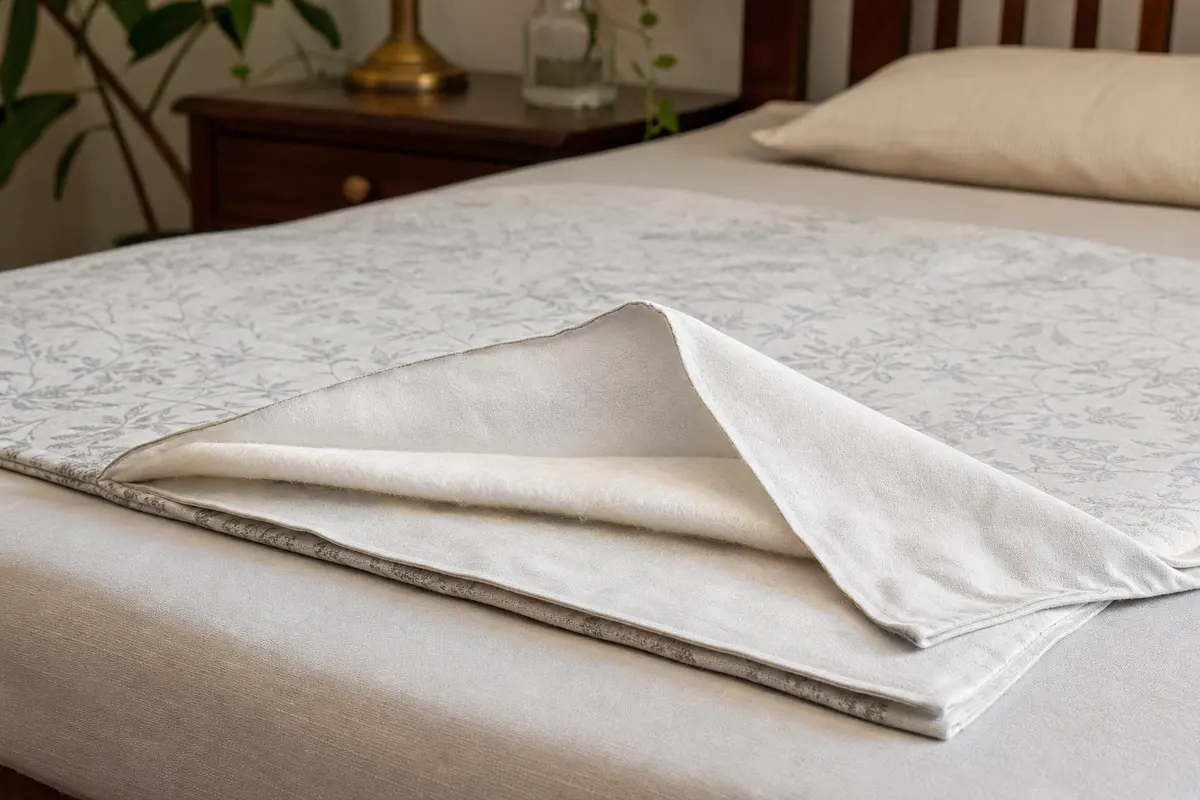
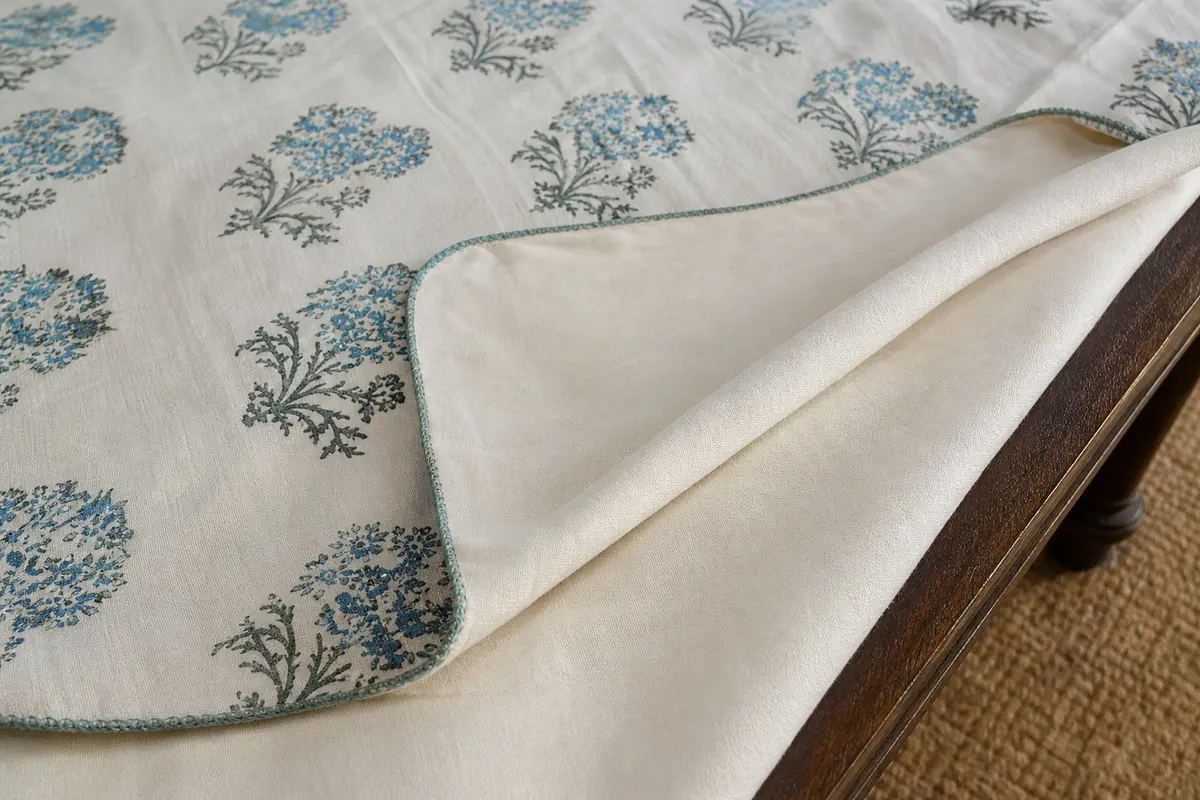
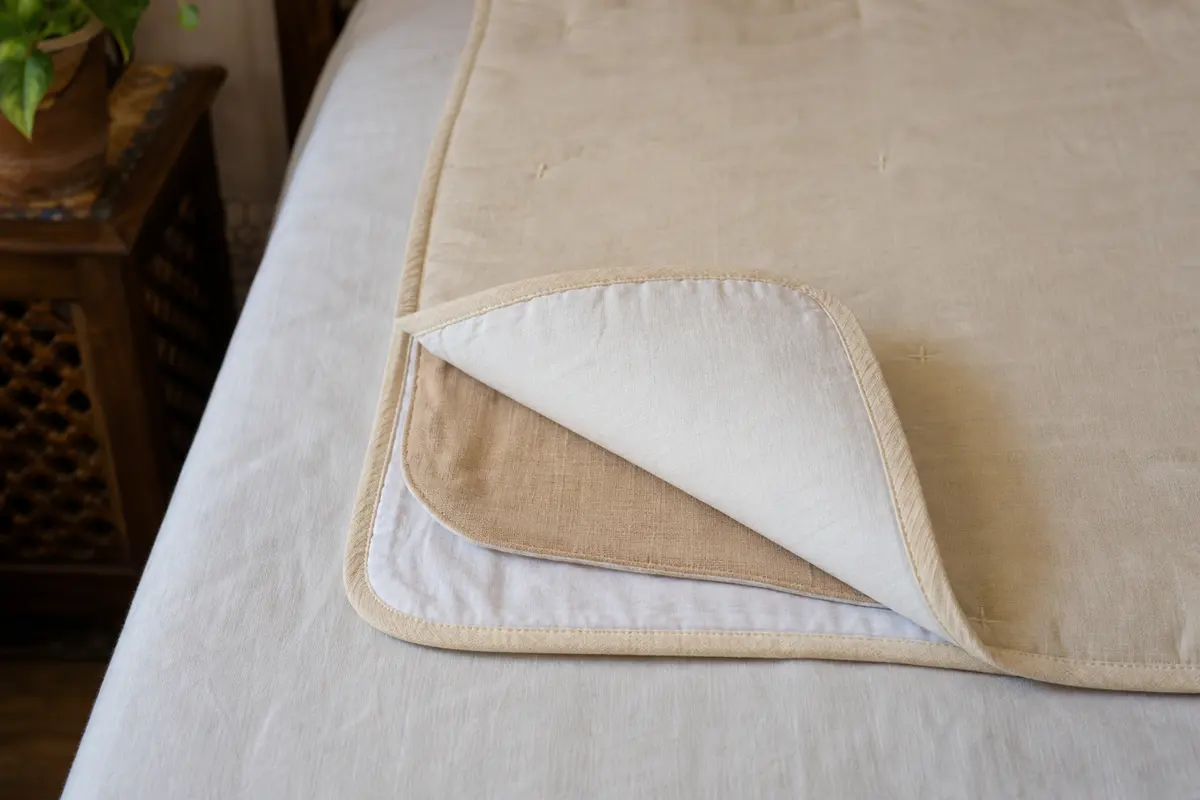
A traditional dohar is made of three cotton layers: a fine, soft cloth on each outer side and a slightly thicker cloth, often flannel, in the middle. Nothing loose is stuffed inside, which is why it stays flat.
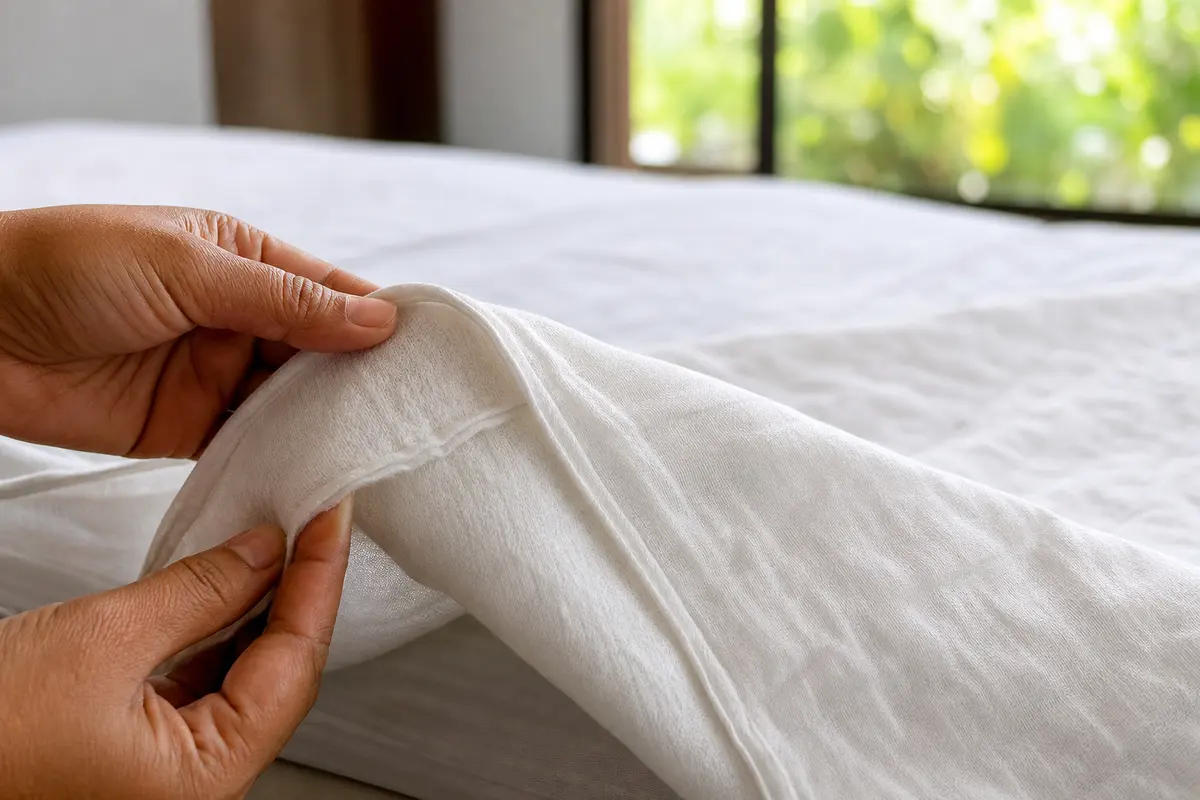
The outer layers are usually mulmul or voile. Both are light, airy cottons woven from fine yarn, and they are what you feel on the skin. Flannel is a cotton cloth that has been brushed to raise a soft fuzz. That fuzz holds a little air, and this gives the dohar its gentle warmth.
Not every dohar follows this pattern. Some have only two layers, and some use a blended or man-made cloth in the middle. Two dohars can look alike in a photo and feel quite different in the hand. So read the fabric of each layer in the product's details, and do not go by the print.
Dohar meaning: where does the word come from?
The word dohar is commonly linked with the Hindi word dohra, which means double or folded over. The name describes how the cover is made, from layers of cloth laid one on another and joined.
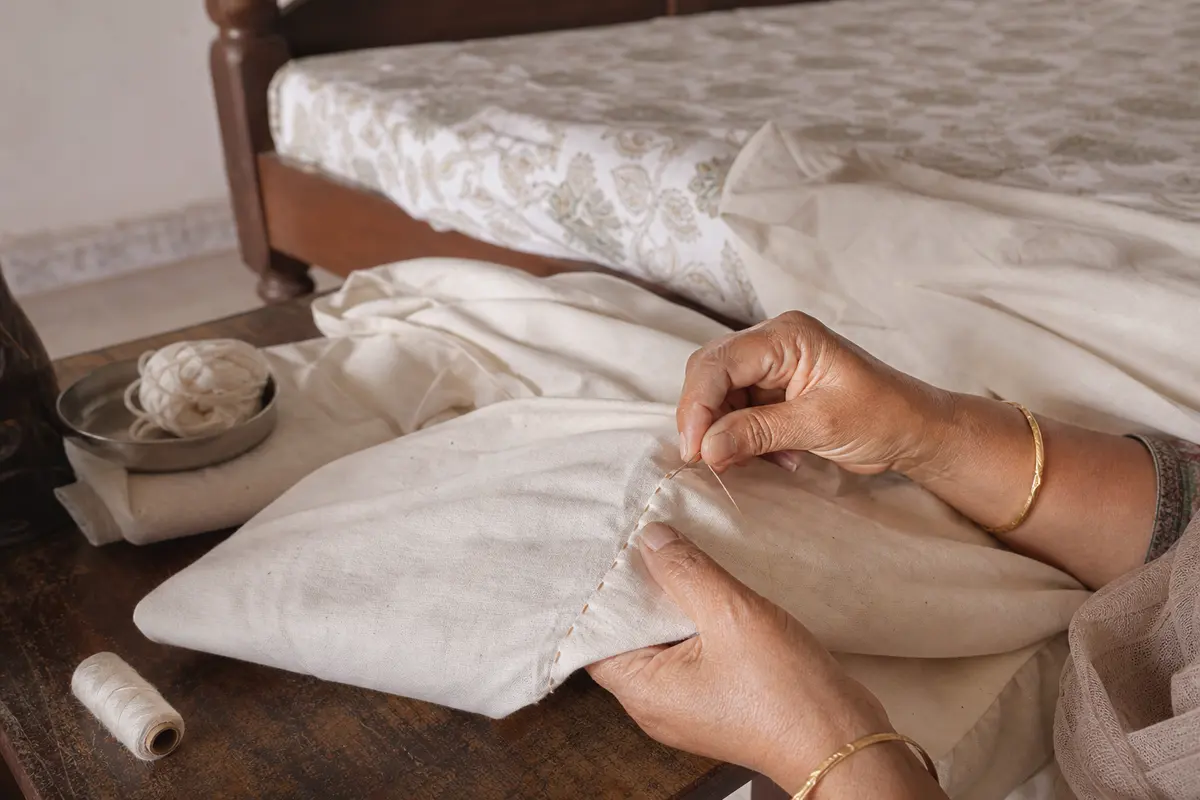
Older family dohars were often simple: two lengths of soft cotton stitched together at home for use in the changing seasons. Over time, printers and stitchers in Rajasthan made it a finished product, with printed outer layers and a neat border.
In shops today you may see the spellings dohar, dohad or dohor. They mean the same thing. English has no exact word for it. Sellers sometimes call it a summer blanket, a light quilt or an AC quilt, which is why reading the description matters more than the name. If the listing says layers of cotton with no filling, it is a dohar in the usual Indian sense.
What size dohar do I need for a single or double bed?
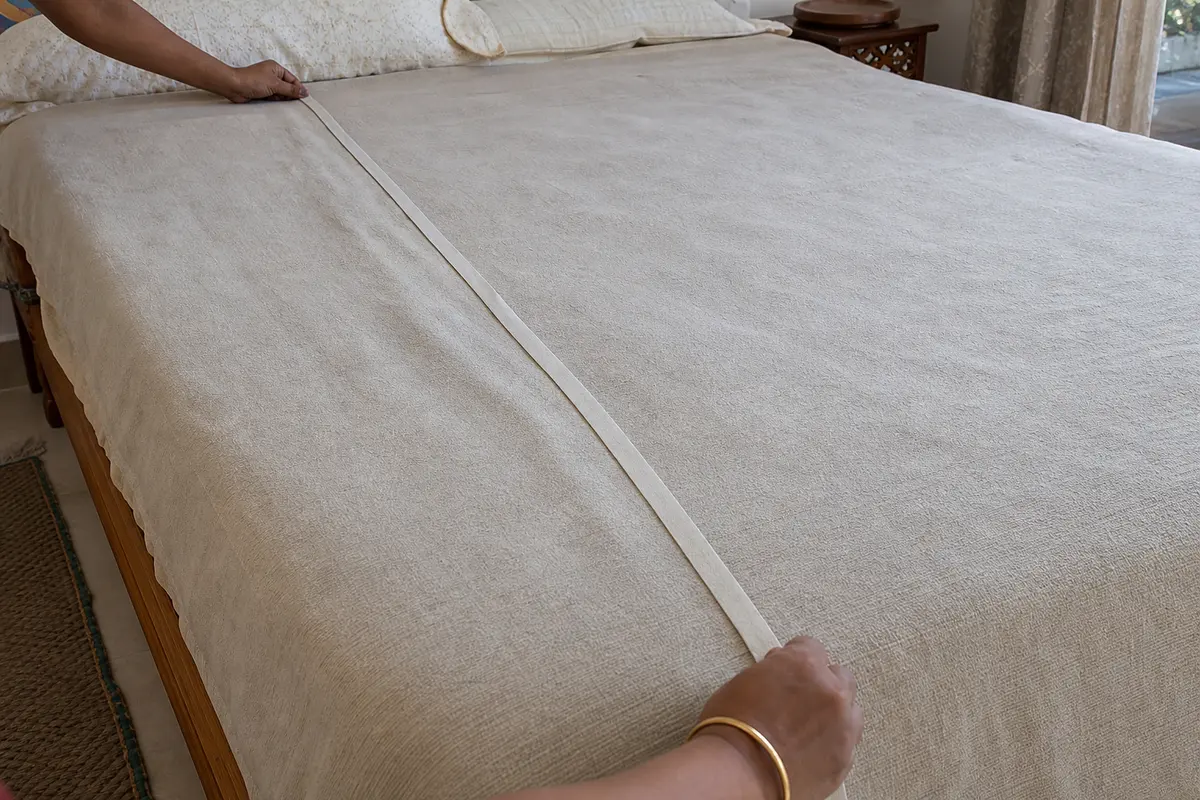
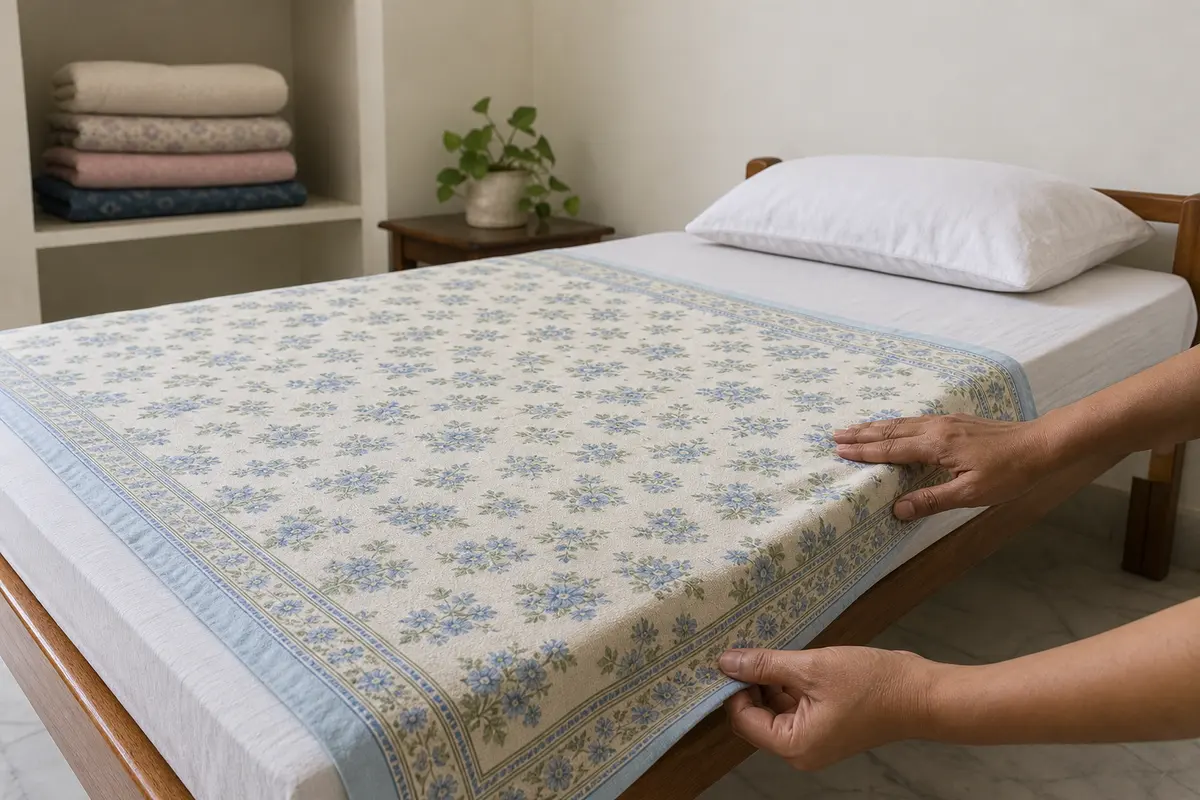
For one person a single dohar is enough, and for two people sharing, take a double dohar that is clearly wider than the mattress. A cover that only matches the mattress width will leave someone's back open.
Sizes are not fixed, but many single dohars measure around 60 by 90 inches and many doubles around 90 by 100 inches. Compare that with the bed. A double mattress is about 48 inches wide, a queen about 60 and a king about 72. So a 90 inch wide dohar gives a good overhang on a queen, but only about 9 inches a side on a king.
Length matters for tall sleepers. The cover should reach from the shoulders to past the feet with some to spare, so 90 inches or more is comfortable for most adults. Always check the measurements given for the product, because one maker's double may be smaller than another's.
Why does a cotton dohar feel softer after a few washes?
A cotton dohar often feels softer after a few washes because the starch and finish from the making process rinse out and the fine cotton yarns relax. Mulmul in particular is known for softening with use.
New cloth is usually treated with a little starch, called sizing, so that it stays firm during printing and stitching. This can make a new dohar feel slightly crisp or papery. After two or three gentle washes that firmness goes, and the layers begin to move together more easily.
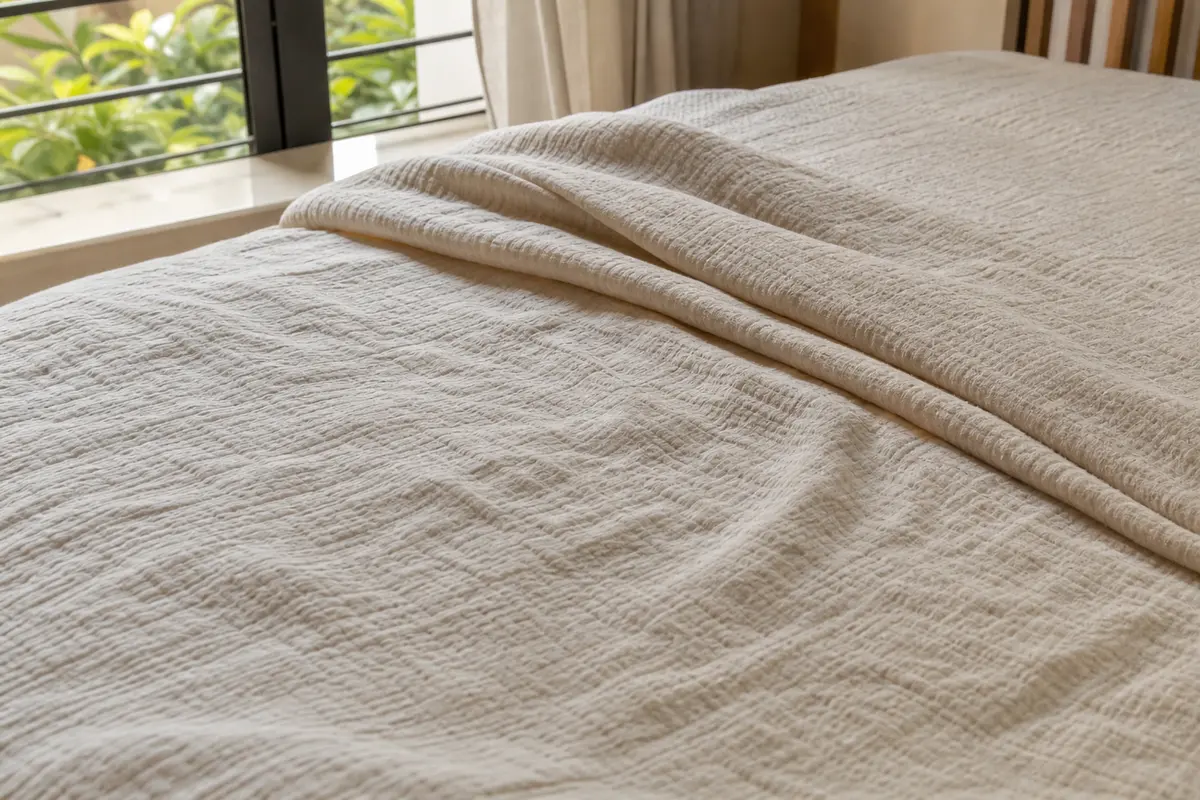
You may also notice a light crinkle on the surface after washing. This is normal in fine cotton, and most people do not iron it out. What should not happen is the layers pulling apart or the border puckering badly. Good stitching along the edges, and a few lines or tacks across the body, keep the three layers lying flat together.
Reversible and printed dohars: what do the designs tell you?
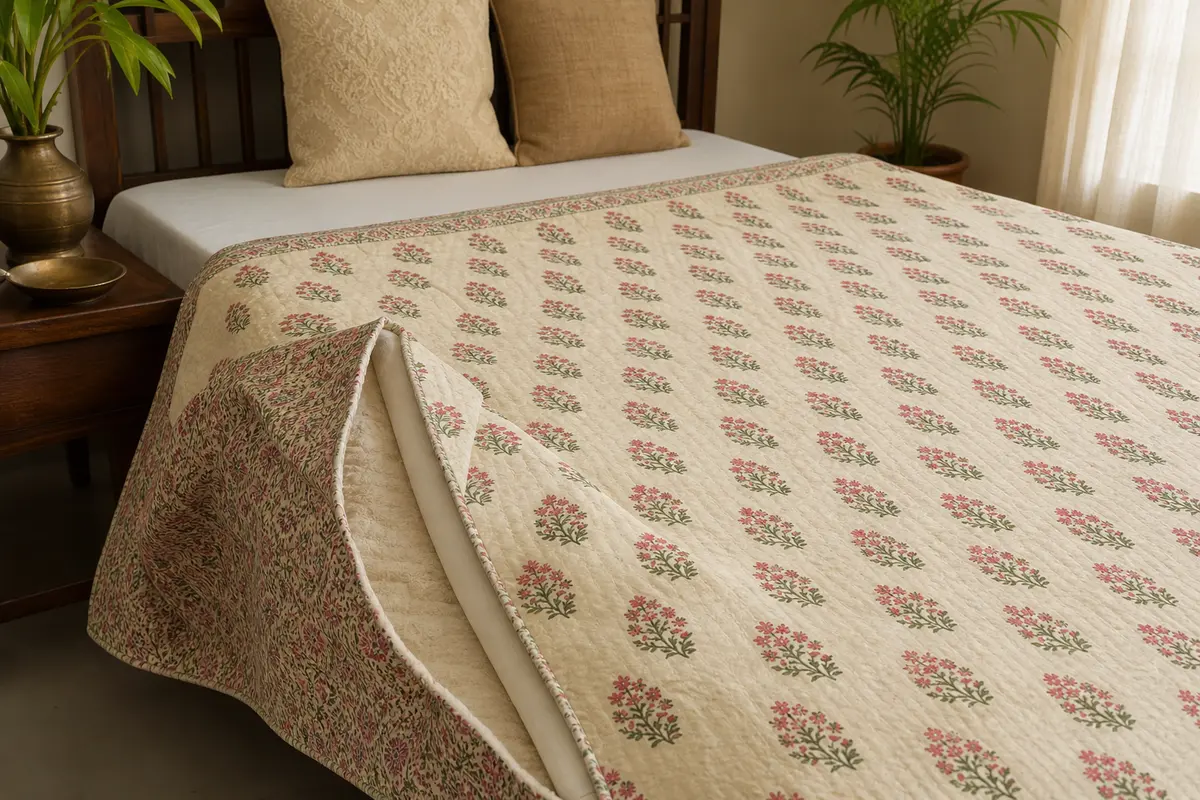
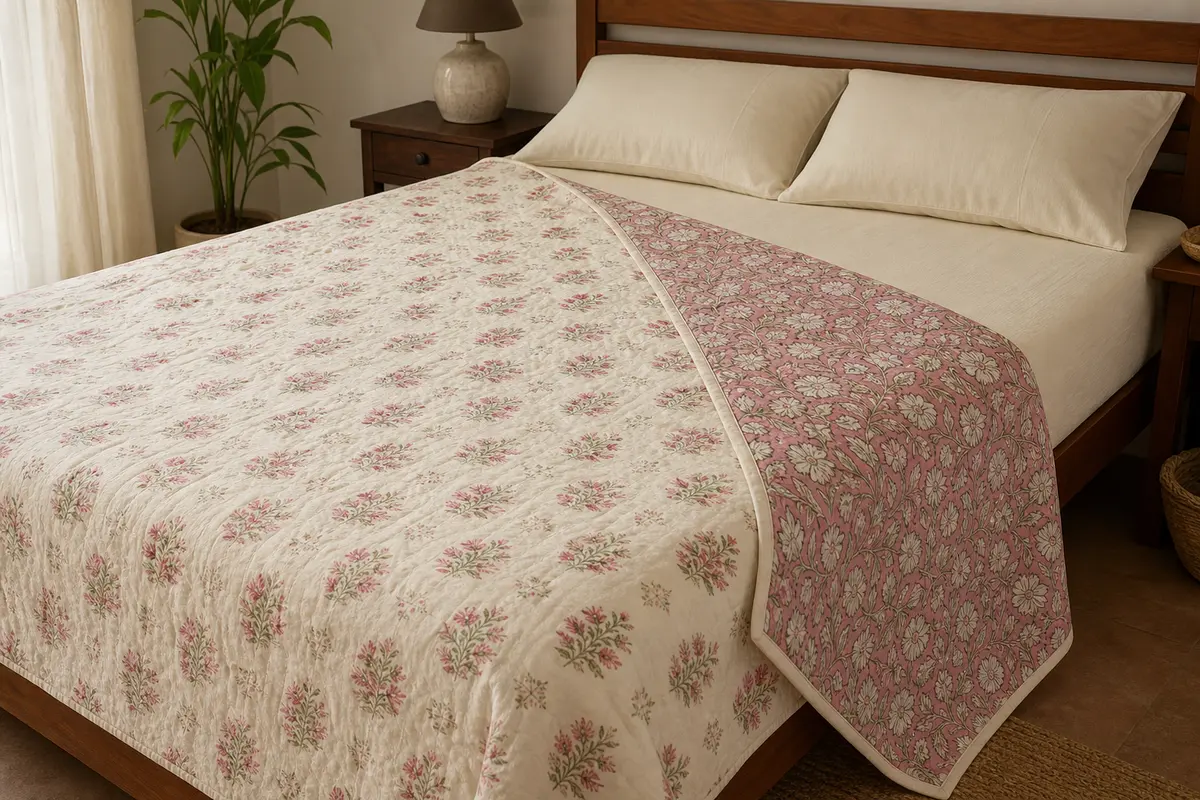
A reversible dohar has a finished print on both outer layers, so either side can face up. This is useful as well as pretty. When one side looks tired, you turn it over.
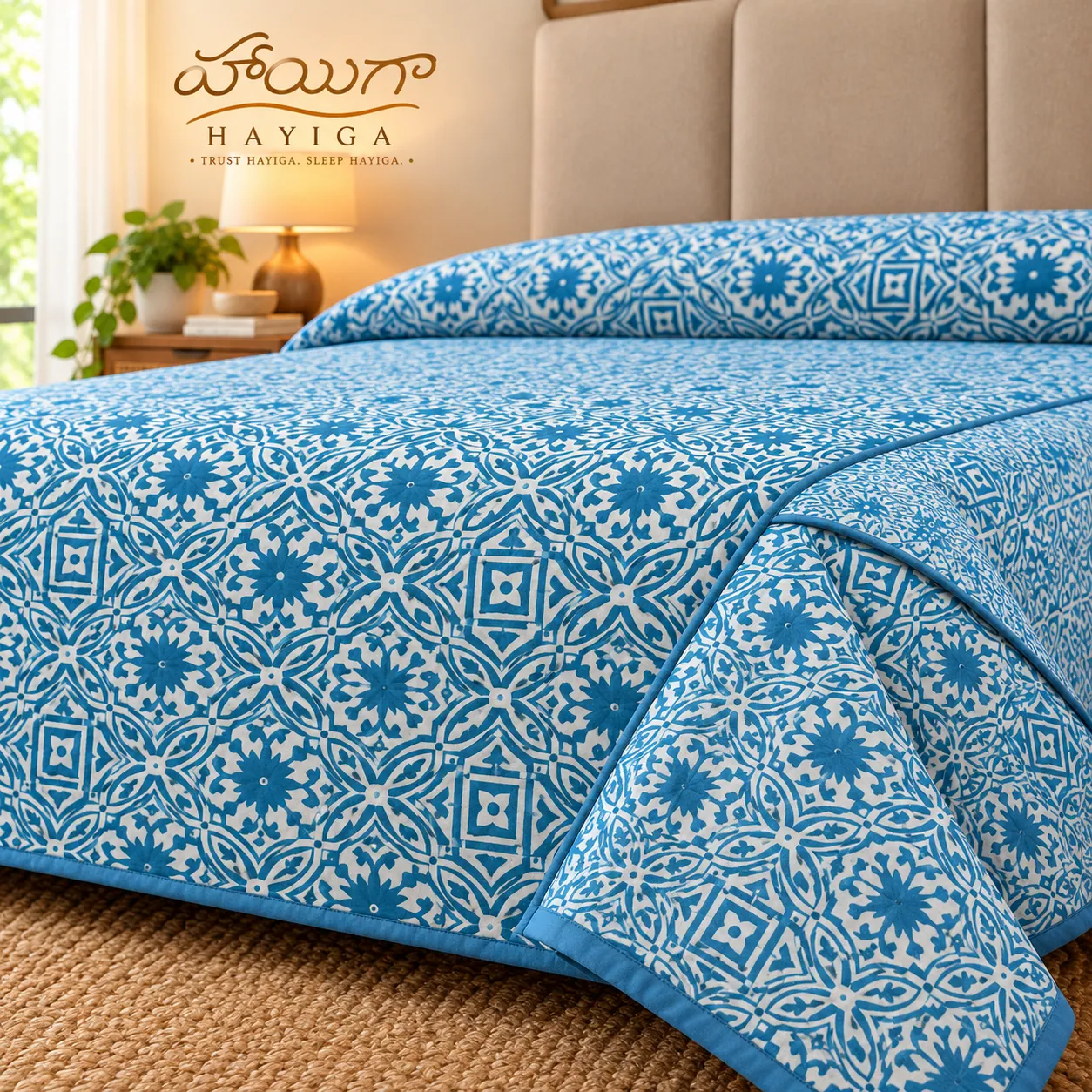
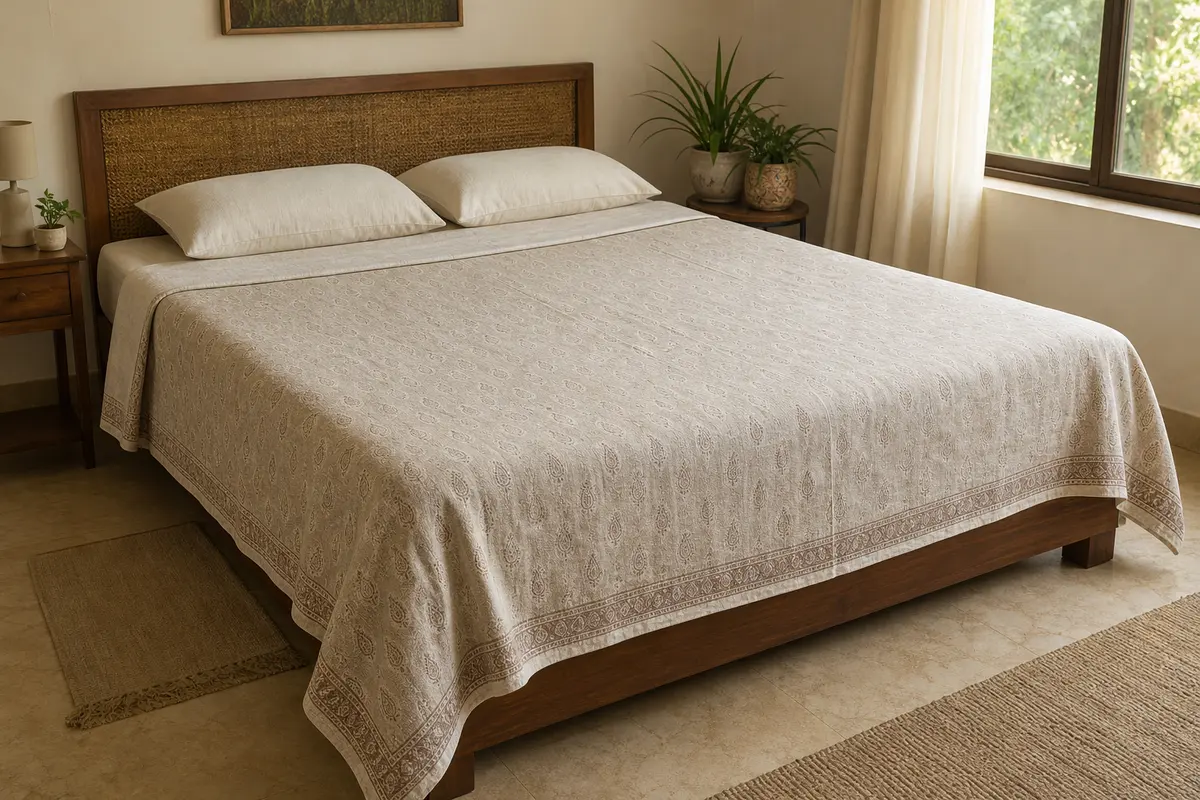
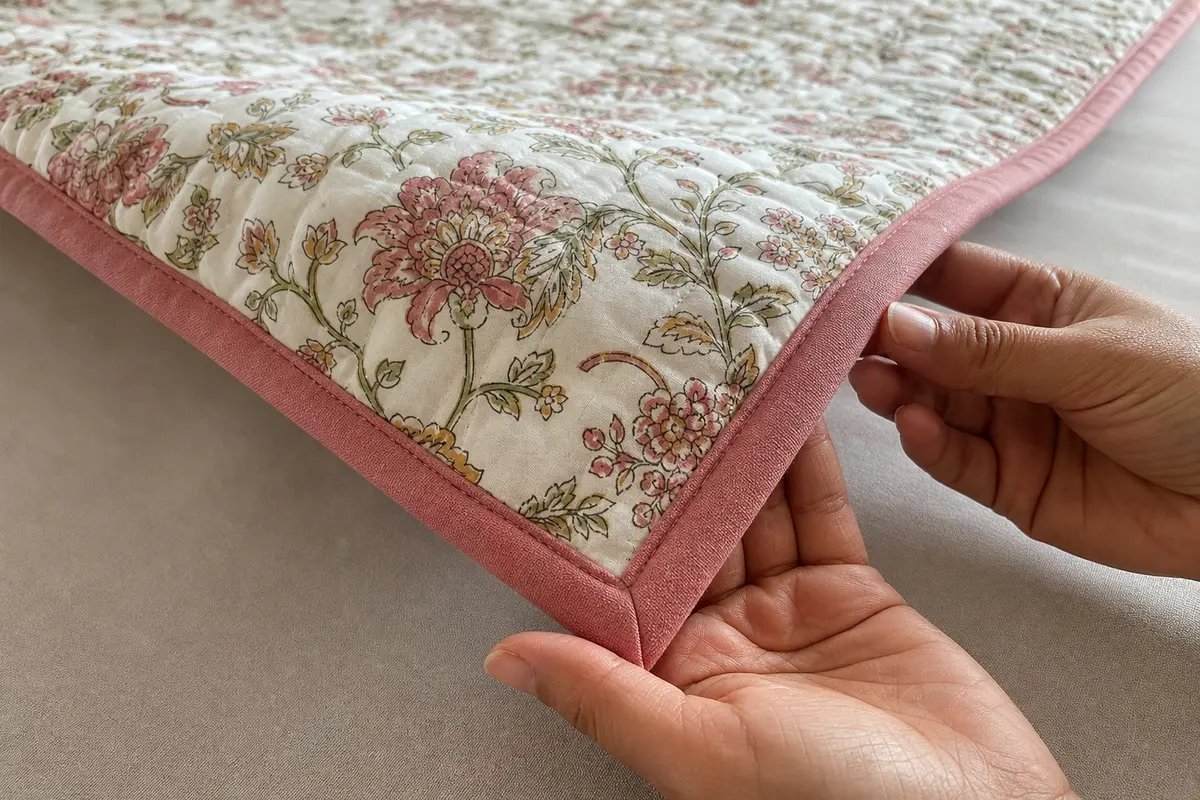
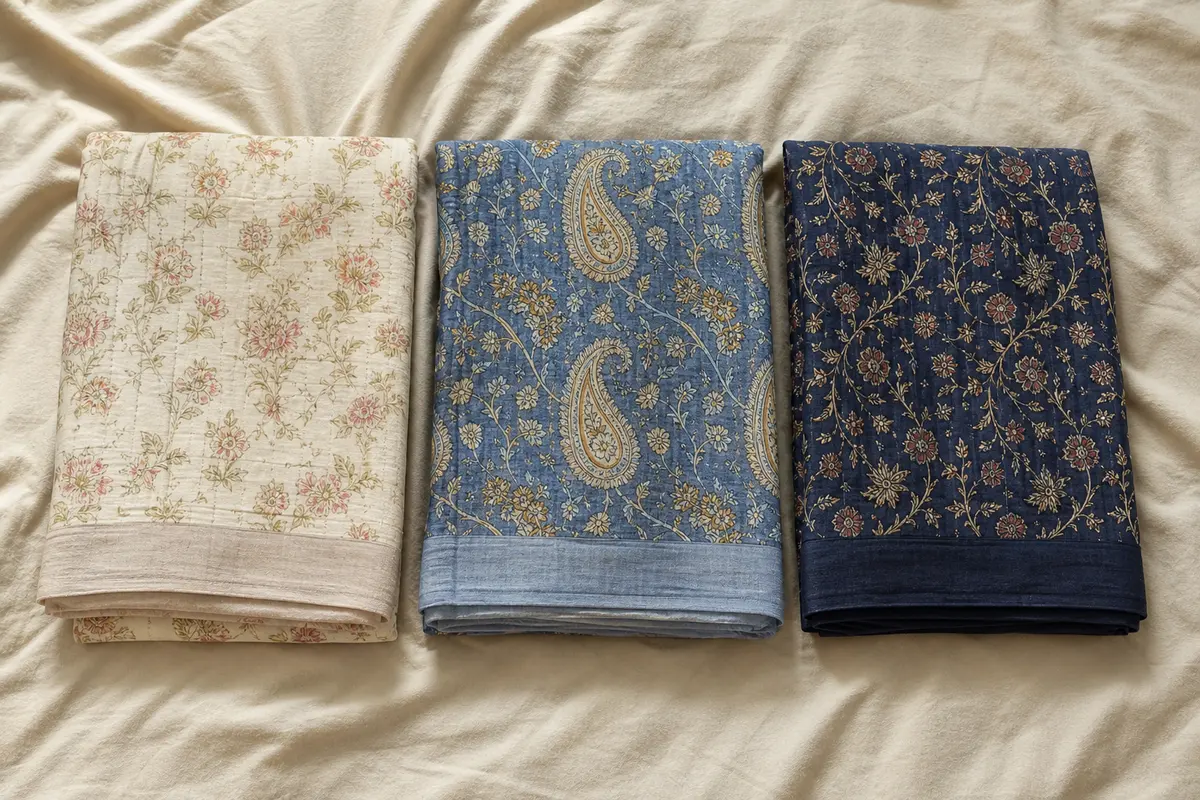
Many dohars carry floral or paisley prints in the Jaipur style, with a contrast border or piping around the edge. Piping is a narrow strip of cloth folded over the raw edges. It hides them and takes the wear when the dohar is pulled and folded daily, so look for piping that is evenly stitched, with no gaps at the corners.
The print can be done by machine, by screen or by hand with wooden blocks, and the listing normally says which. Dark, deeply coloured prints may give off extra dye in early washes, while pale ones show stains sooner. For a cover used every night, a medium-toned print is the practical middle path.
Is a dohar useful for travel, guests and afternoon naps?
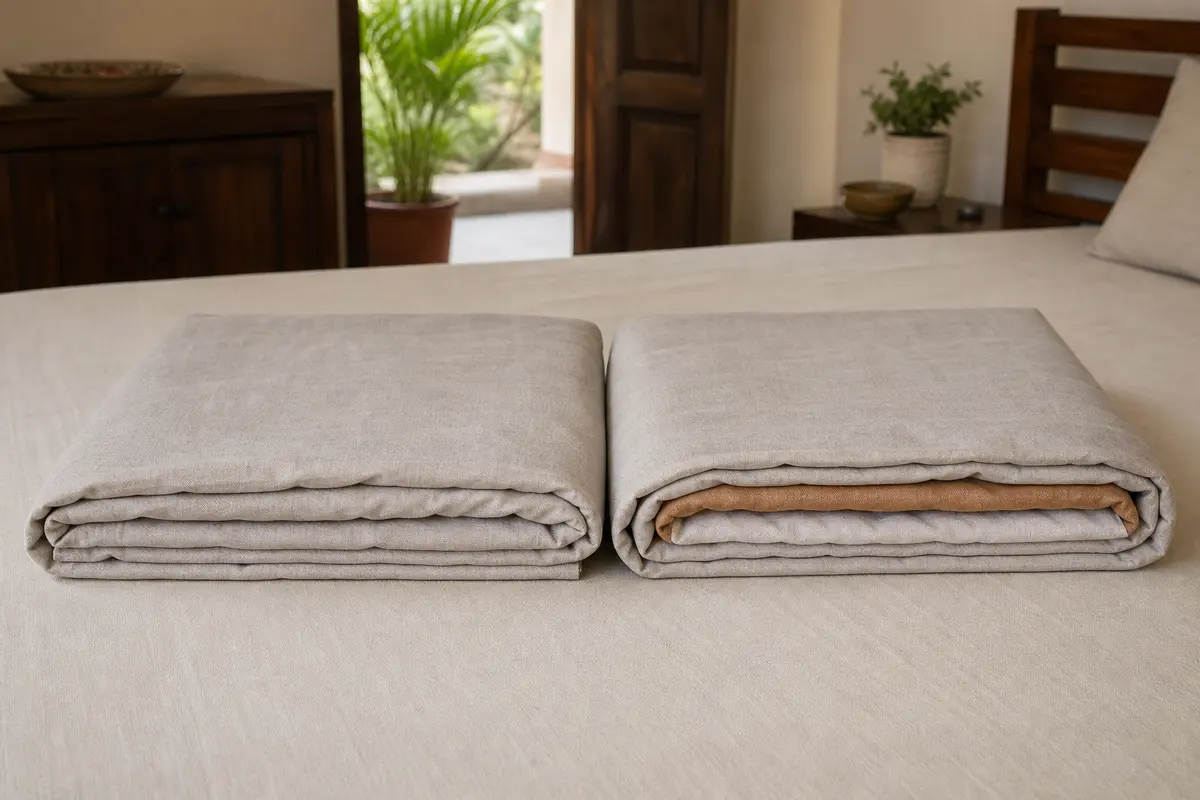
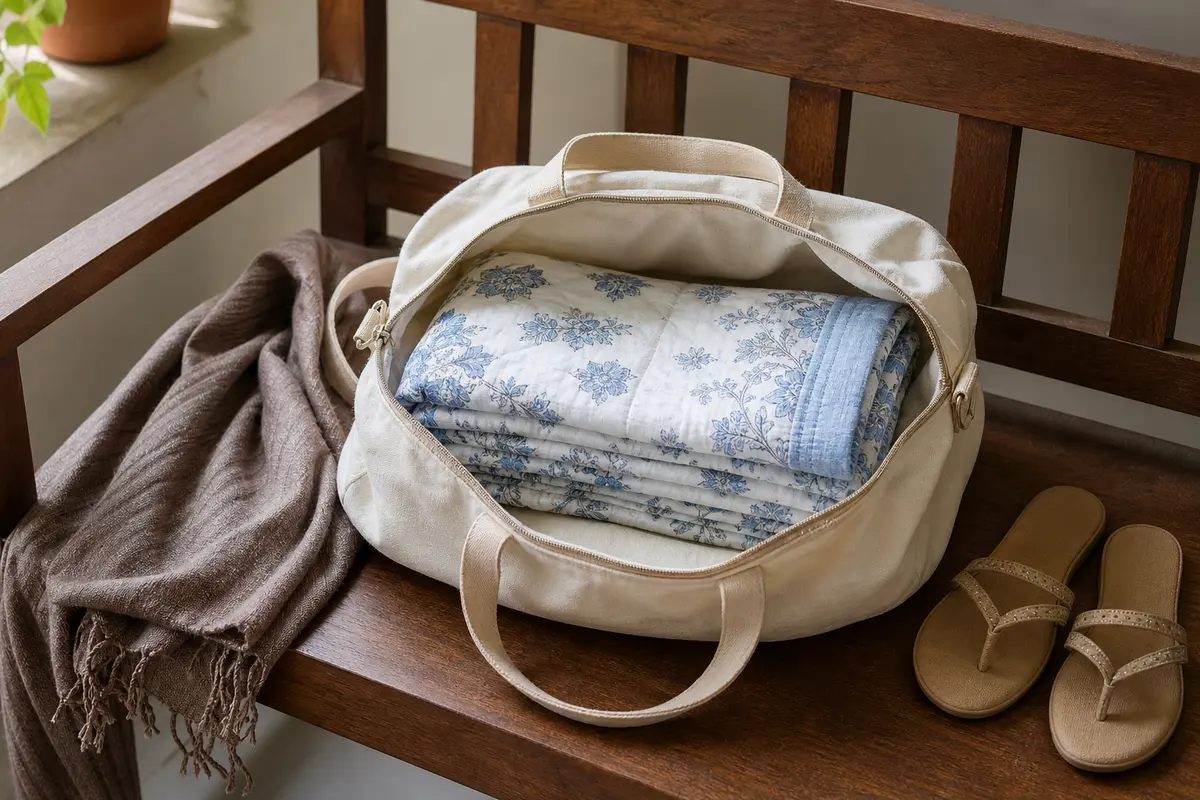
Yes, a dohar is one of the handiest covers to keep spare, because it folds small, weighs little and washes at home. One extra dohar solves many small needs in a house.
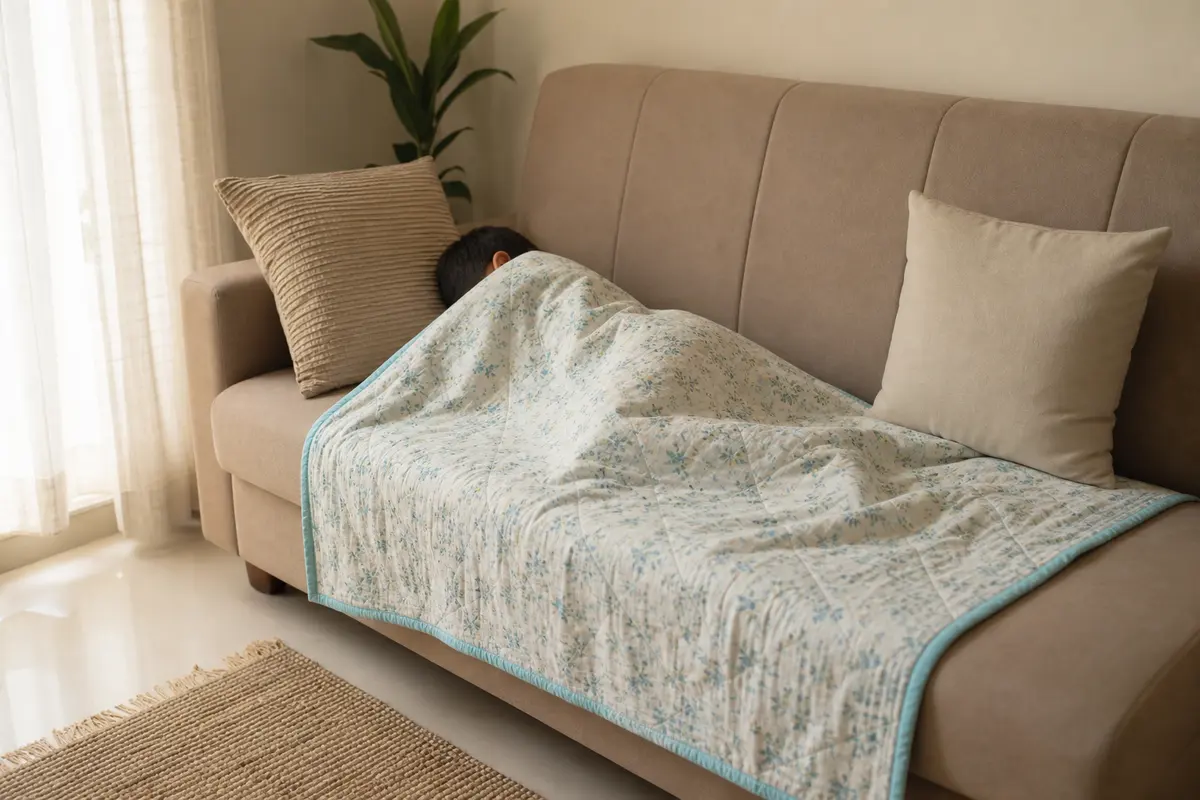
For train or bus journeys, a single dohar fits into a bag and is enough for a cooled coach. For guests, it saves you from bringing out heavy winter bedding for a one-night stay. Many families also keep one on the sofa for afternoon naps, or for evenings in front of the television with the cooler running.
For children, the light weight is easy to manage and the cover can be washed often. Choose a single size, since a large double will drag on the floor. Whatever the use, air a dohar that has been lying folded for some weeks before using it, as stored cotton can pick up a stale smell in humid weather.
How to store a dohar in the monsoon and through winter
Store a dohar only when it is fully dry, folded loosely, in a place where air can reach it. Dampness is the real enemy, more than dust.
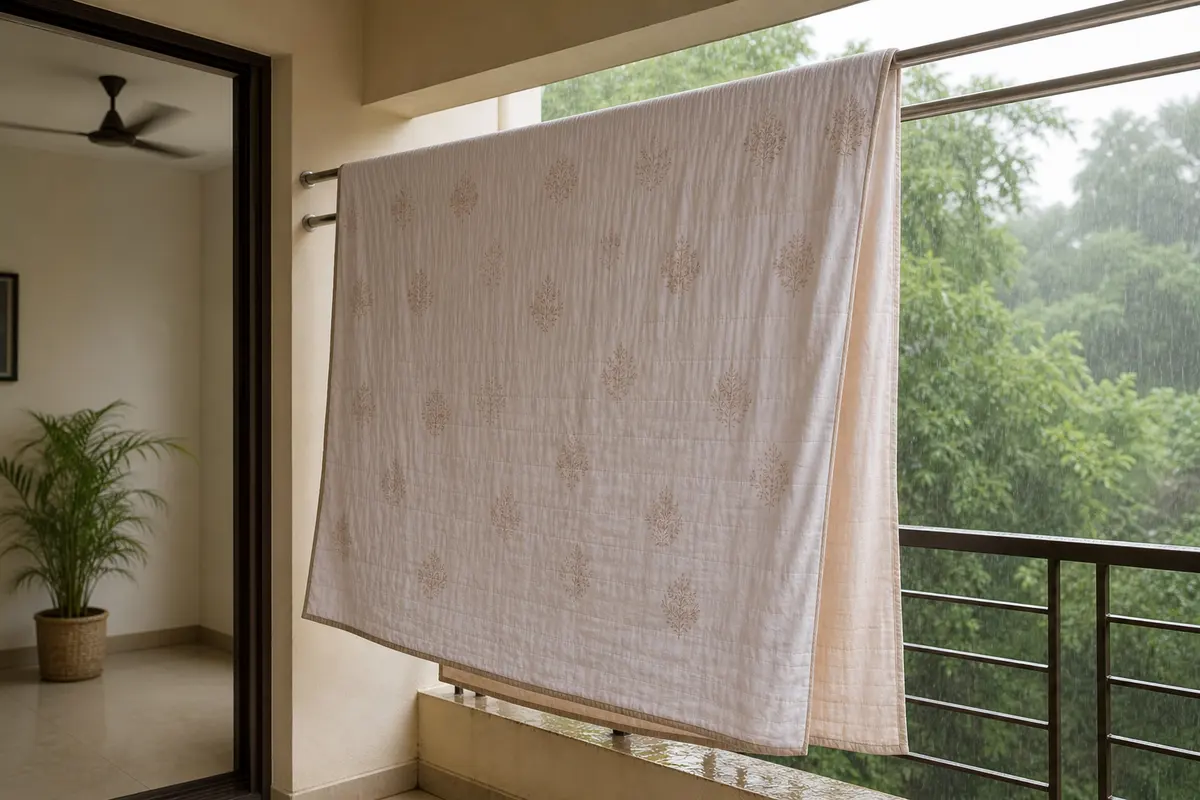
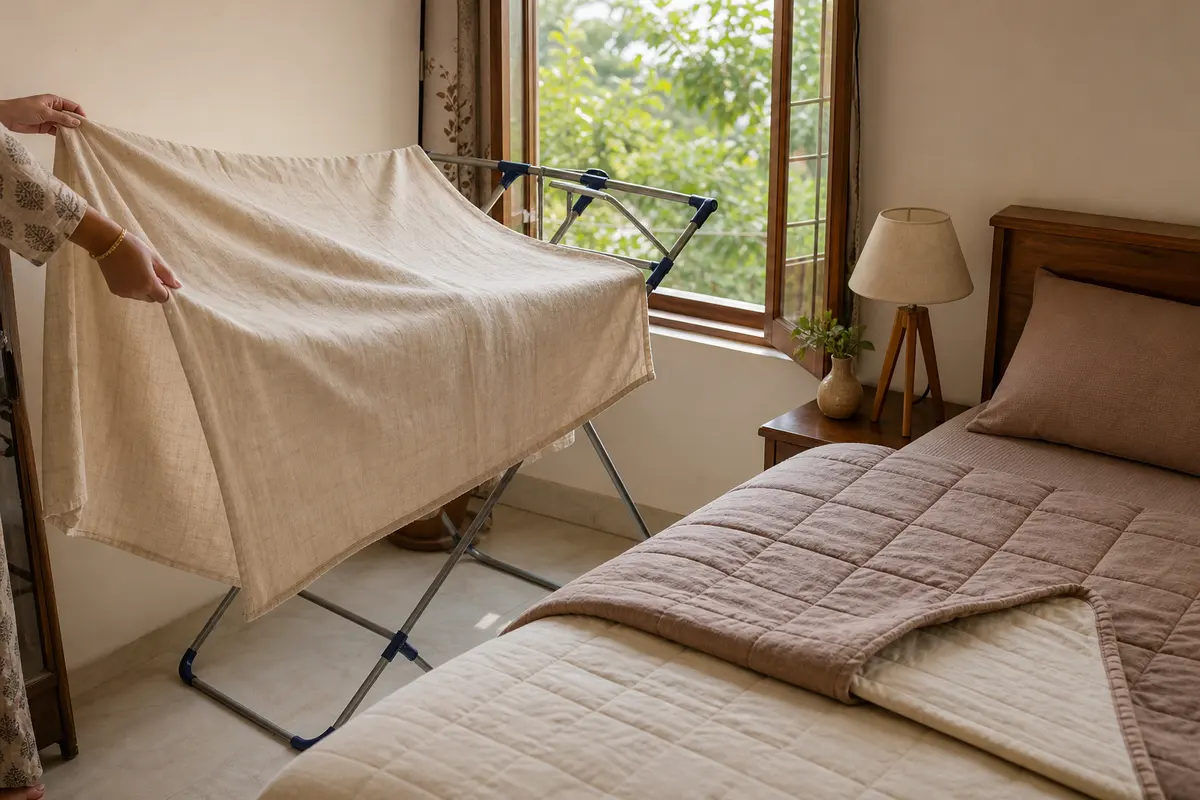
In the monsoon, cotton may feel dry on the surface while the inner layer is still damp. After washing, give it extra time on the line or under a fan, and turn it once so both sides air. If it must be dried indoors, spread it wide over two rods and do not fold it over one.
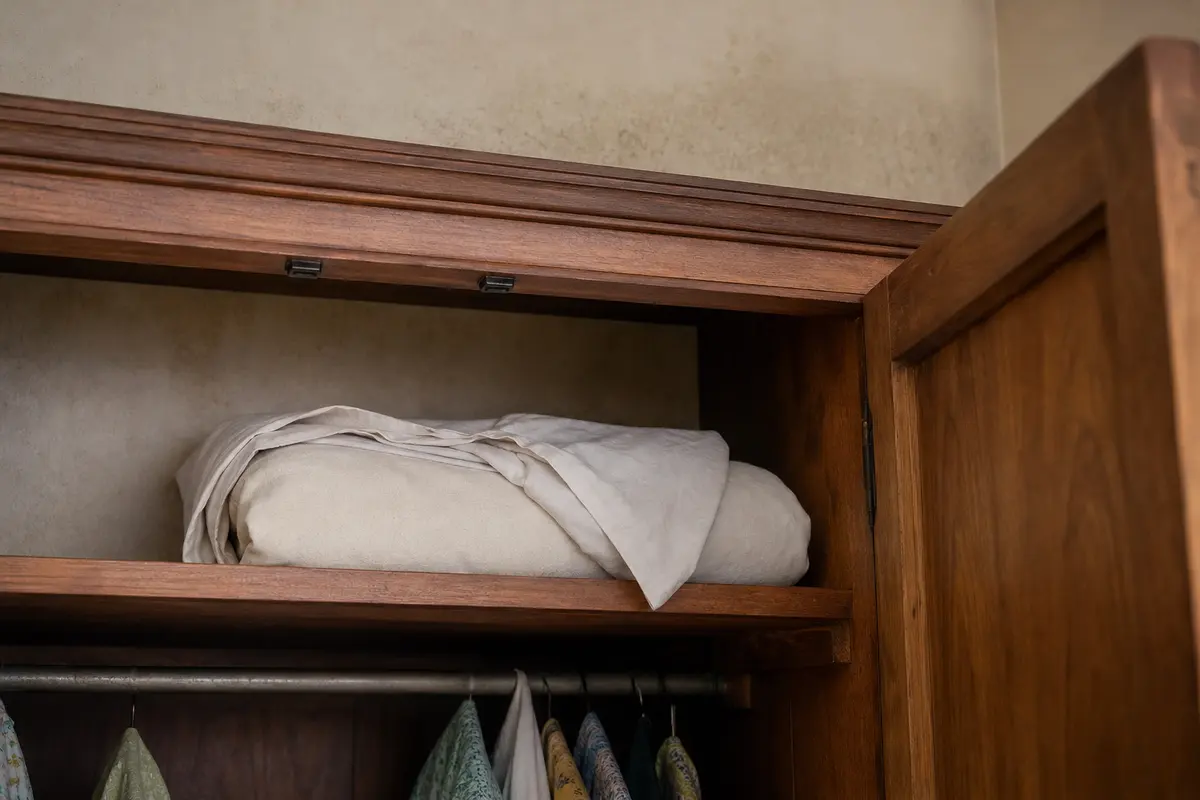
For long storage, wrap it in an old cotton sheet or a cloth bag. Plastic covers can trap moisture and leave a musty smell. Keep it on an upper shelf, away from the wall if the wall gets damp. Take it out on a clear day every month or two and air it for an hour. If you use it as an inner layer under a quilt in winter, it never needs storing at all.
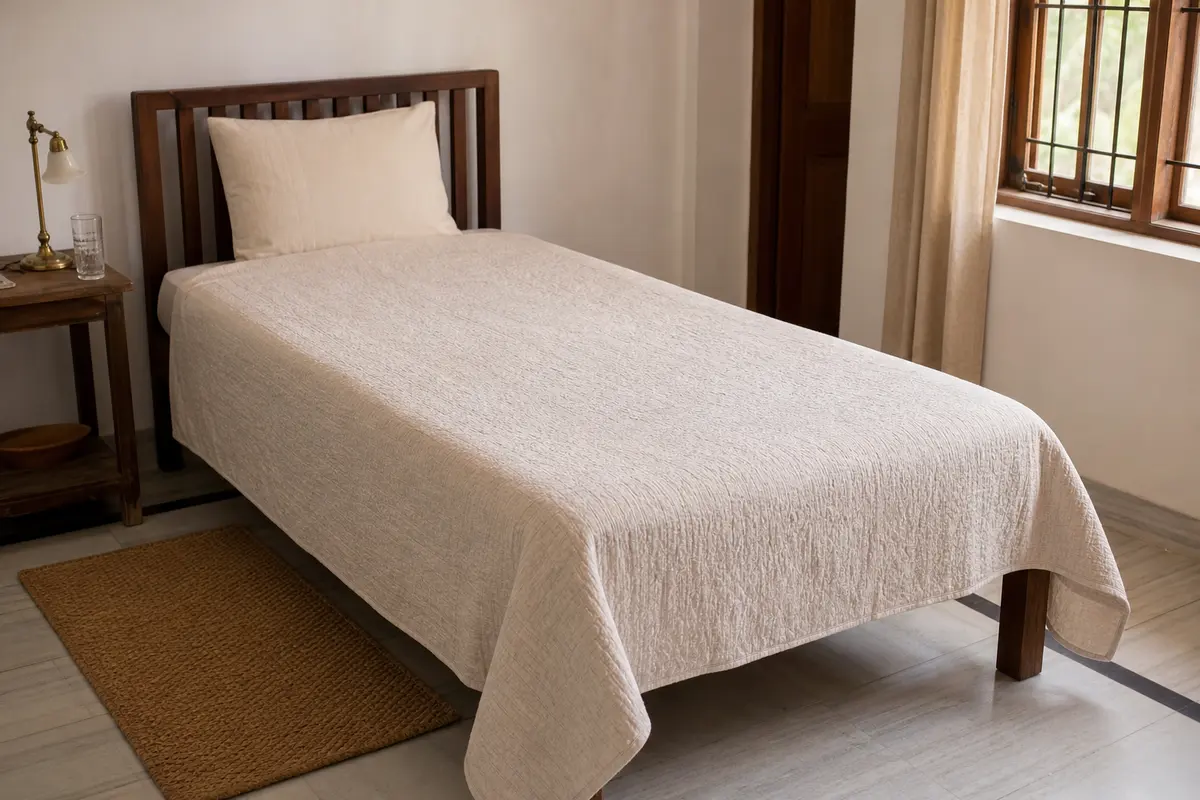
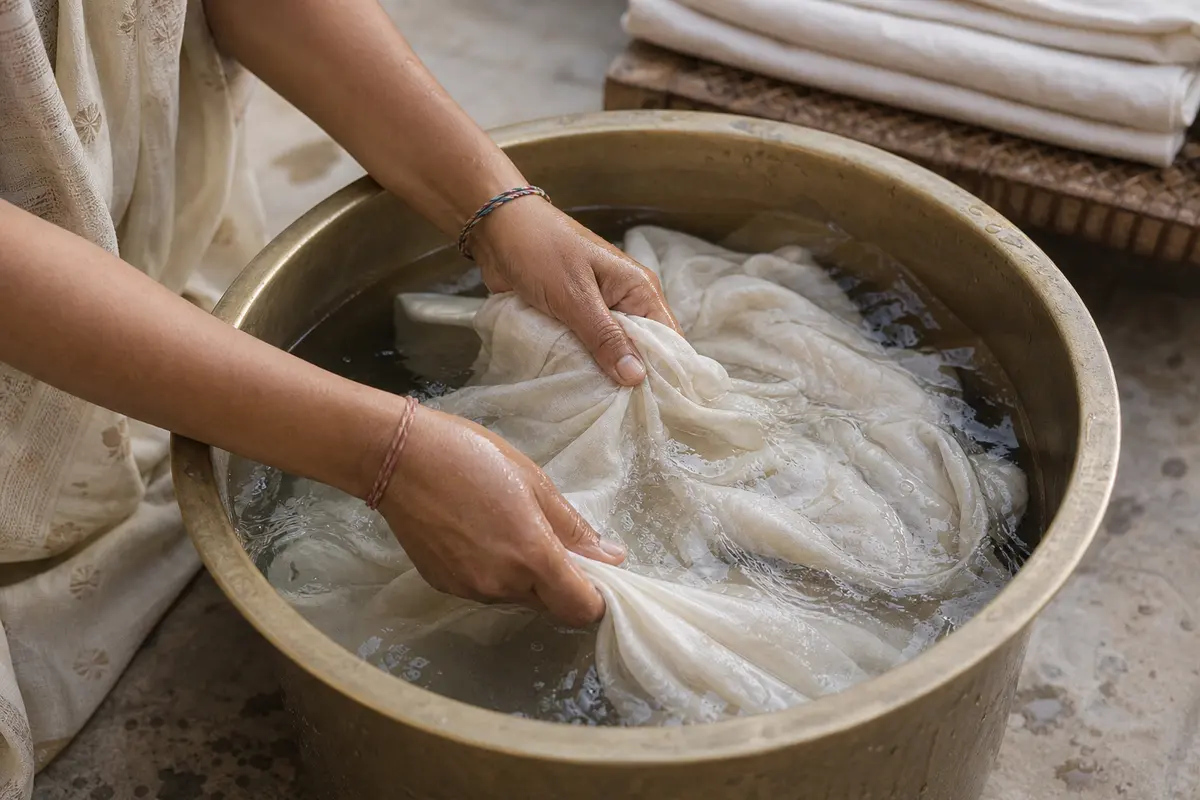
The pictures in this article are illustrations made to explain each point. They are not photographs of Hayiga products.
04When should you use it?
How it is made
Usually three thin layers: two soft outer fabrics with a thin layer in between, stitched together at the edges. There is no fluffy filling, so it stays flat and light.
When to use it
Air-conditioned bedrooms, nights under a fan, the monsoon and mild winters. On colder nights it can be layered with a quilt or blanket for more warmth.
Why people like it
It is light on the body, lets air pass through more easily than a thick cover, folds small and usually fits in a home washing machine without trouble.
Sizes
Dohars are commonly made in single and double sizes. A single suits one person; a double is shared by two. Measurements differ between makers, so check the product's details.
Dohar and comforter
A dohar is thin and has fabric layers only. A comforter has fluffy filling stitched inside and is thicker and warmer. Choose by how cold your room gets at night.
Care
Many cotton dohars can be machine washed on a gentle cycle in cool water. Wash printed or dark dohars separately at first and dry them in shade. Follow the care label.
05Before you buy
✓The measurements against your bed and the number of people who will share it
✓Whether it is a single or a double dohar
✓The fabric of each layer, as stated on the product
✓How thin or thick it is described as being, compared with how cool you keep your room
✓Whether it is reversible, with a usable design on both sides
✓The care instructions, including whether it can be machine washed
✓Whether the print or colour needs a separate first wash
Common questions
What is a dohar used for?+−
A dohar is used as a light cover while sleeping. People use it in air-conditioned rooms, under a ceiling fan, and on nights that are a little cool but not cold. It is also handy for afternoon naps, for travel and as an extra layer under a warmer blanket in winter.
What is the difference between a dohar and a comforter?+−
A dohar is made of thin layers of fabric with no filling, so it is light and flat. A comforter has soft filling stitched between two fabrics, which traps air and makes it thicker and warmer. A dohar suits mild nights and AC rooms. A comforter suits colder nights or rooms kept very cool.
Is a dohar the same as a blanket?+−
A dohar is a kind of light blanket made from layers of fabric. The word blanket is wider and also covers thick woollen, fleece and other heavy covers, which are warmer. If you want only a light layer for an AC room or a mild night, a dohar is the lighter option. Heavier blankets and comforters are for colder nights.
Can a dohar be used without AC?+−
Yes. Many people use a dohar as a light cover on mild nights, in the monsoon or under a fan. On very hot nights without cooling, any cover may feel too warm. Comfort depends on the fabric of the dohar, the room temperature and the person.
Can a dohar be used in summer?+−
Yes, many people use a dohar in summer, mainly in air-conditioned rooms or under a fan when the air feels cool on the skin. A thin cotton dohar is lighter than most other covers. Whether it feels comfortable depends on the fabric and how warm the room is.
Is a dohar warm enough for winter?+−
It depends on where you live. In places with mild winters, a dohar alone may be enough for some people. In colder places it is usually too light by itself. Many households then use the dohar as an inner layer and put a quilt, comforter or blanket over it.
What is the difference between a dohar and a quilt?+−
Both are layered and stitched, but a dohar is thinner. A dohar is made of soft fabric layers with no padding. A quilt has a layer of padding in the middle, held in place by stitching across the whole surface. So a quilt is usually a little thicker and warmer than a dohar.
How do you wash a dohar at home?+−
Read the care label first. Many cotton dohars can be washed in a machine on a gentle cycle with cool water and mild detergent. Wash a new printed dohar separately the first few times, as some colour may run. Dry it in shade, spread out flat or on a line, and make sure it is fully dry before storing.