Skip to content

Understanding fabrics

What is the difference between percale and sateen?

Two common weaves, and how each feels.

The short answer

Percale vs sateen is a choice between two weaves, not two fibres: percale is a plain one-over, one-under weave that feels crisp and matte, while sateen passes each thread over several others to give a smoother, shinier surface. The same cotton yarn can be woven either way. Percale tends to feel cooler and lighter against the body. Sateen tends to feel silkier and a little heavier, and it drapes more. Neither weave is of higher quality in itself. This guide compares how the two feel, crease and wear, so you can match the weave to your room and your taste.

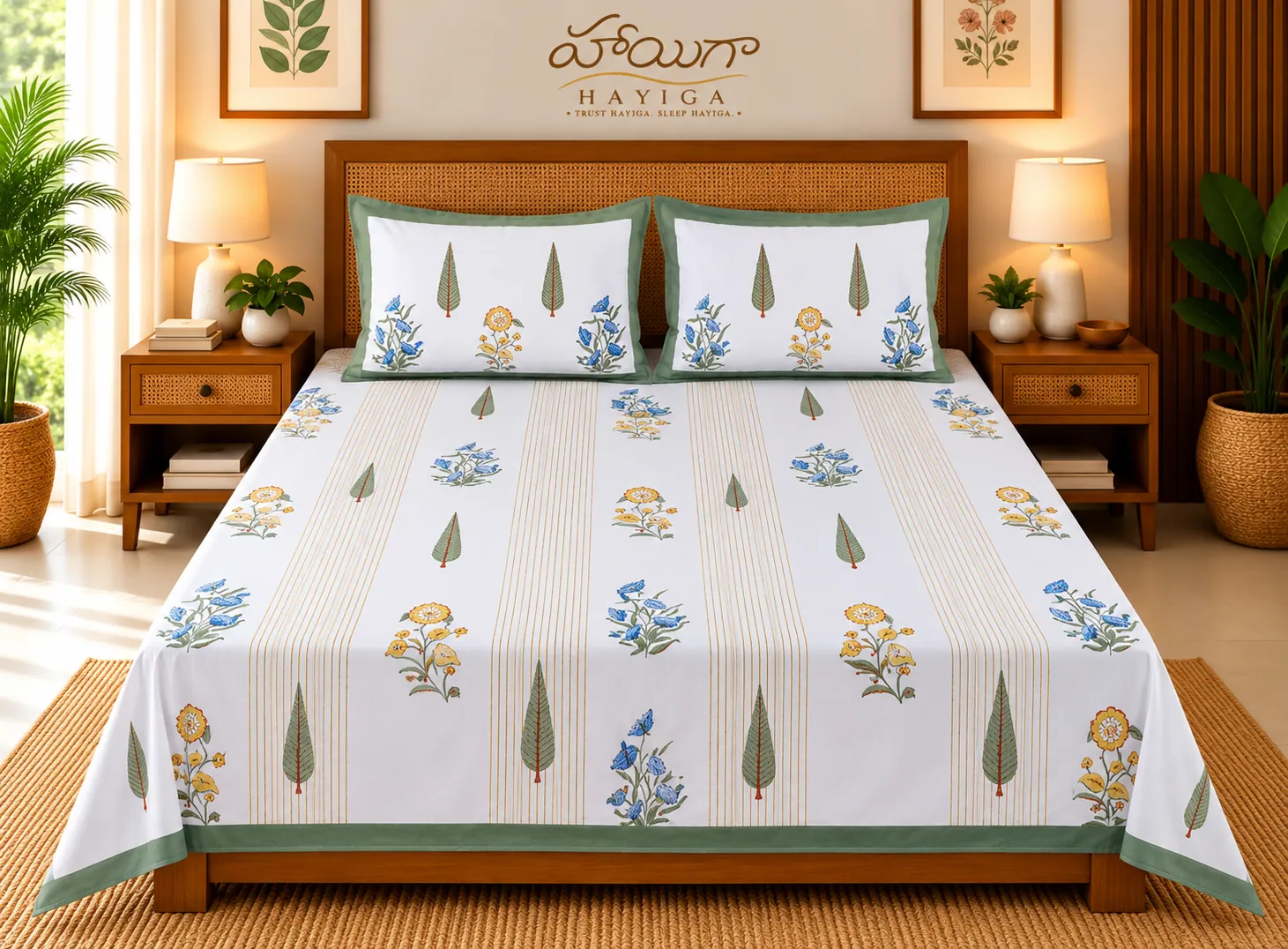
A percale cotton bedsheet

How is it different?

How it differs from a sateen

Percale and sateenSateen
WeaveOne thread over, one underSeveral threads over, one under
SurfaceMatteSoft sheen
Typical feelCrisp and coolSmooth and a little warmer
CreasingCreases moreCreases less

Percale and sateen: all you need to know

Why does a percale sheet feel crisp and sound papery?

A percale sheet feels crisp because its threads cross one over and one under, as tightly as the weave allows, which makes a firm and flat cloth.

In this pattern every thread is held down at every crossing. Nothing lies loose on the surface. The result is a fabric with a dry, matte face and a slight firmness, a bit like a freshly ironed cotton shirt.

That same firmness is why a new sheet of this kind can rustle softly when you move. The sound fades as the fabric relaxes over repeated washes, and the crispness softens into a smooth, cool feel without going limp.

People who love it often describe the feeling of the "cool side of the pillow". People who dislike it find it too plain or too stiff at the start.

If a new sheet feels very papery, give it a few washes before you judge it. Mill finishes are still in the cloth at first, and the true feel shows only once they are gone.

Do sateen sheets pill or snag easily?

Sateen sheets are a little more likely to snag and pill than plain-weave sheets, because more of each thread lies exposed on the surface.

In this weave, a thread passes over several others before it goes under one. Those long, uncovered stretches are called floats. They are what make the fabric smooth and shiny. They are also less protected. A rough heel, a pet's claw, a zip or a hook can catch a float and pull it.

Rubbing over time can also raise fine fuzz from the floats, which may gather into small balls in places that get the most contact.

Good yarn makes a big difference. Sheets made from long, combed cotton fibres resist this much better than those made from short fibres.

Care helps too. Wash with the smooth side turned in, keep the sheet away from towels and clothes with metal parts, and do not overload the machine. Treated like this, a well-made sheet keeps its surface for a long time.

Which weave shows prints and colours better?

Sateen generally shows colour more richly, while percale gives a cleaner, more matte look that suits fine prints and light shades.

The smooth floats of sateen reflect light, so solid colours look deep and slightly glowing. Dark shades such as navy, maroon or deep green look especially rich. The effect is close to a dressed, hotel-style bed.

Percale has a flat, non-shiny surface. Colours on it look true and calm, without glare. Whites look fresh, pastels look soft, and small detailed prints such as stripes, checks and fine florals stay sharp because the surface is even.

How they age also differs. As sateen loses a little of its lustre with washing, the colour can look slightly softer than when new. Percale changes less in appearance, since it had no shine to lose.

So the choice depends on the look you want. For a glossy, rich bed, choose the shinier weave. For a crisp, clean and understated bed, choose the matte one.

Which weave is easier to wash and iron?

Both weaves are washed the same way, but percale needs more ironing while sateen needs a little more gentleness.

Percale creases clearly. Because the cloth is firm, wrinkles from the wash stand out and stay until ironed. The good news is that it irons beautifully and becomes sharp and smooth with a medium-hot iron, best while still slightly damp. It can also take regular machine washing without fuss.

Sateen is softer and heavier in drape, so its wrinkles are rounder and less sharp. Many people simply smooth it by hand on the bed and skip the iron. If you do press it, iron on the reverse side so the shine is not flattened or marked.

In the wash, the smoother weave prefers a gentle cycle and its own company, away from rough or hooked items that may catch the surface.

For both, cool or lukewarm water and a mild detergent are enough. Take the sheets out of the machine soon after the cycle ends, since creases set as the damp cloth sits.

Percale or sateen for AC rooms and winter?

For AC rooms and winter, sateen usually feels cosier, while percale suits people who feel warm even in a cooled room.

The denser, smoother weave drapes closer to the body and lets a little less air through. Under a comforter or quilt this gives a snug feeling, which is welcome on cold nights or when the AC is set low.

The plain weave is more open to air. In a cool room it can feel quite fresh, even chilly at first touch. If you tend to kick off the covers at night, this is the side to choose. If you often feel cold, you may find it less comforting in December and January.

The fibre matters as well. These are weaves, and most often they are made in cotton, but either can be made from other fibres or blends. A polyester-rich version of either will feel warmer than an all-cotton one.

Many homes simply keep one set of each and change with the season.

Percale vs sateen vs twill: how do bedsheet weaves differ?

Percale, sateen and twill differ in the pattern in which threads cross, and that pattern decides the feel, the look and the strength of the sheet.

Percale is the simplest: one thread over, one under. It gives a flat, matte, crisp cloth.

Sateen lets a thread travel over several others before going under one. More thread shows on the surface, so the cloth is smooth and softly shiny, with a heavier drape.

Twill is the third common type. Its threads step across in a way that forms fine diagonal lines on the surface, as you see on denim. A twill sheet is soft, drapes well and resists creasing better than a plain weave. It is sturdy too, though it does not have the crisp feel of percale or the gloss of sateen.

You may also come across the word "satin" for shiny sheets. It is the same family of weave as sateen.

When a listing names no weave at all, the sheet is most often a plain weave. The close-up photo will usually confirm it.


When should you use it?

How each is woven
In percale, each thread goes over one and under one, like a simple basket. In sateen, a thread floats over several threads before going under one, often four over and one under.
How they feel
Percale feels crisp, light and matte, like a freshly ironed cotton shirt. Sateen feels smooth and silky with a soft shine, and it sits closer to the body.
In heat and humidity
Percale's simple, open structure lets air move easily, so many people prefer it on hot nights. Sateen is denser and often feels slightly warmer.
Creasing
Percale creases more and shows it clearly. Sateen creases less because its longer floating threads let the fabric fall smoothly. Neither is fully crease-free in cotton.
Durability
Percale's tight, even structure resists snags and pilling well. Sateen's floating threads sit on the surface, so they can catch on rough edges and its shine may soften.
Who each suits
Percale suits warm sleepers and people who like a crisp, cool bed. Sateen suits people who like a smooth, silky bed, cooler rooms and AC bedrooms.

Before you buy

  • Whether the product's details state the weave at all: percale, sateen or neither
  • The fibre the sheet is woven from, such as 100% cotton or a blend
  • The thread count, if stated, compared only between sheets of the same fibre and weave
  • Whether you sleep warm (percale often suits) or like a silky feel (sateen often suits)
  • How much ironing you are willing to do, since percale creases more
  • The care instructions, including wash temperature and drying advice
  • The sheet's measurements against your mattress size and height

Common questions

Which lasts longer?

Both percale and sateen can last for years. Durability depends more on the quality of the fibre and yarn, and on how the sheet is washed, than on the weave alone. Percale's tight plain weave resists snagging and pilling well. Sateen's floating threads are a little more exposed to rubbing. Gentle washing in cool water helps either weave last.

Percale vs sateen: which is cooler for summer?

Percale usually feels cooler. Its plain one-over, one-under weave is light and lets air move through easily, and its crisp surface does not cling to the body. Sateen is woven more densely and drapes closer, so many people find it slightly warmer. If you sleep hot or have no AC, percale is the more common choice. Fibre and fabric weight matter as well.

Is sateen the same as satin?

No, though the weave is similar. Both use threads that float over several others to give a smooth, shiny face. The word sateen is normally used when the fabric is made from spun yarn such as cotton. The word satin is normally used for fabric made from long filament fibres such as silk or polyester. Check the product's details for the actual fibre.

Is percale a fabric or a weave?

Percale is a weave. It is a tight, plain weave in which each thread passes over one thread and under the next. It can be made from cotton, from a cotton blend or from other fibres. So the word percale does not tell you what the sheet is made of. Read the fibre composition in the product's details along with the weave.

Does sateen lose its shine?

Sateen's shine can soften over time. The shine comes from threads lying flat on the surface, and repeated washing and rubbing slowly roughen them. To keep the sheen longer, wash the sheet inside out in cool water with a mild detergent, avoid bleach, and dry it away from strong sun and high heat. Some softening of the shine is normal.

Which creases more, percale or sateen?

Percale creases more. Its threads cross at every point, so the fabric holds folds firmly and creases look sharp on its matte surface. Sateen has longer floating threads, which let the fabric relax and drape, so creases are fewer and softer. If you dislike ironing, sateen is the easier of the two. Hanging either sheet straight after washing helps.

Does percale get softer with washing?

Yes. Cotton percale often feels quite crisp when new and becomes softer over repeated washes as the fibres relax. It usually keeps some of its cool, crisp character, which is what many people like about it. Washing in cool water with a mild detergent and avoiding harsh bleach helps it soften without wearing out early.

How can I tell whether a bedsheet is percale or sateen?

First read the product's details, which should name the weave if one is claimed. By look and touch, percale is matte and crisp and looks the same on both sides. Sateen has a soft shine on the face, a duller back, and a smooth, slippery feel. If no weave is stated, do not assume one. You can ask the seller.

Explore next

This guide describes bedding in general. Fabric, measurements and care for a particular design are stated on its product page and label.